


Bringing new employees into your organization requires a structured, comprehensive approach that ensures every new hire feels welcomed, informed, and prepared for success. An employee onboarding checklist transforms the complex new hire onboarding process into a systematic workflow that covers documentation, training, orientation, equipment setup, and compliance—all while creating a positive first impression that impacts long-term employee retention.
Traditional onboarding using spreadsheets, email chains, and paper forms creates inefficiencies, missed tasks, and inconsistent experiences across new hires. A digital onboarding checklist built with an AI-powered no-code platform like Clappia automates repetitive tasks, centralizes employee information, tracks progress in real-time, and ensures every onboarding step completes without delays or compliance gaps. Build your employee onboarding checklist application in minutes without writing code.
An employee onboarding checklist is a structured framework outlining all tasks, documents, and activities required to successfully integrate a new hire from offer acceptance through their first 90 days. A comprehensive onboarding checklist typically includes preboarding activities before day one, first-day orientation procedures, first-week training and introductions, first-month goal setting and performance expectations, and 90-day check-ins evaluating onboarding effectiveness.
Effective onboarding dramatically impacts organizational success. Research shows strong onboarding improves new hire retention by 82% and increases productivity by over 70%. Without a structured onboarding checklist, businesses face inconsistent new hire experiences, missed compliance requirements and documentation, poor first impressions leading to early turnover, HR teams spending excessive time on manual follow-ups, and new employees taking longer to reach full productivity.
Modern businesses require digital solutions that scale with growth. Paper-based onboarding creates storage problems, version control issues, and compliance risks. Email-based task tracking results in missed steps and unclear accountability. Spreadsheet checklists lack automation capabilities and real-time visibility. Digital onboarding checklist applications provide centralized data management, automated workflow triggers, mobile accessibility for remote onboarding, compliance documentation trails, and integrated approval processes.
The preboarding period begins immediately after offer acceptance and sets the tone for the employee relationship. Preboarding activities include sending welcome emails with first-day logistics, collecting required documentation electronically, initiating background checks and employment verification, ordering equipment and supplies, setting up workstations or remote work environments, creating email accounts and system access, assigning onboarding buddy or mentor, and scheduling orientation meetings.
Employee management applications built on Clappia enable HR teams to automate preboarding communications and task assignments, ensuring nothing falls through the cracks during this critical period.
The first day creates lasting impressions and significantly influences employee engagement. A complete first-day onboarding checklist covers office or workspace tour and introductions, completion of I-9 employment eligibility verification, tax withholding forms (W-4 or equivalent), direct deposit enrollment for payroll, benefits enrollment guidance and deadlines, company policy acknowledgment and handbook review, IT equipment distribution and setup assistance, security badge or access card issuance, emergency contact information collection, and initial training program overview.
Mobile-accessible applications ensure new hires can complete onboarding forms from any device, supporting both in-office and remote employee onboarding scenarios.
The first week focuses on role-specific training and team integration. Key activities include detailed job responsibilities review and expectations, department-specific training programs, introduction to key stakeholders and team members, overview of company culture and values, access to necessary software and systems, assignment of initial projects or tasks, scheduled check-ins with manager or buddy, and review of communication channels and protocols.
Comprehensive onboarding requires collecting, verifying, and securely storing multiple employee documents. Essential documents include government-issued identification for I-9 verification, educational certificates or professional certifications, previous employment verification, banking information for direct deposit, emergency contact details, signed offer letter and employment contract, non-disclosure agreements (NDA), non-compete agreements if applicable, benefits enrollment forms, tax withholding documentation, and policy acknowledgment signatures.
Document collection capabilities enable secure file uploads with automatic linking to employee profiles. Digital signature capture replaces physical paperwork for policy acknowledgments and contract signing.
Onboarding must address various compliance requirements depending on industry and location. Compliance components include employment eligibility verification (I-9 in US), tax documentation (W-4, state withholding), benefits enrollment deadlines and documentation, workplace safety training records, harassment prevention training completion, data privacy and security acknowledgments, industry-specific certifications or licenses, background check completion and filing, and audit trail maintenance for regulatory review.
Validation rules enforce data quality and completeness, preventing incomplete onboarding records that create compliance risks.
Manual onboarding processes struggle to scale with organizational growth. Spreadsheet-based checklists lack workflow automation and reminders. Email-based tracking creates fragmented communication across multiple threads. Paper forms require physical storage and create retrieval difficulties during audits. These traditional methods result in inconsistent experiences, compliance gaps, administrative overhead, and poor visibility into onboarding status.
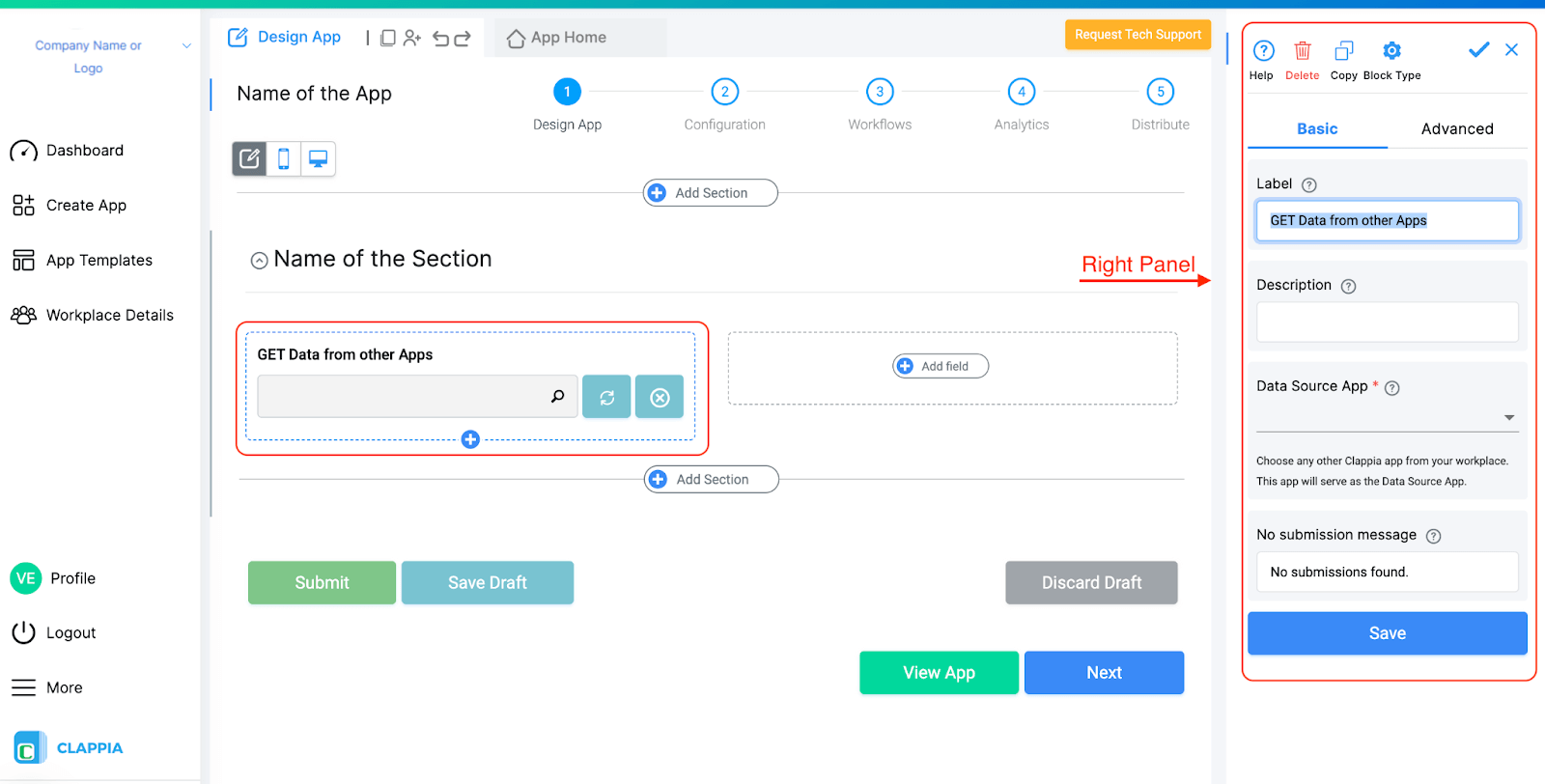
Clappia's no-code platform empowers HR teams to design and deploy onboarding applications without IT dependencies. The drag-and-drop interface uses familiar concepts that HR professionals understand intuitively. Pre-built templates accelerate initial deployment while maintaining full customization capabilities. Changes and updates deploy instantly without development cycles. The platform scales from startups hiring their first employees to enterprises onboarding hundreds simultaneously.
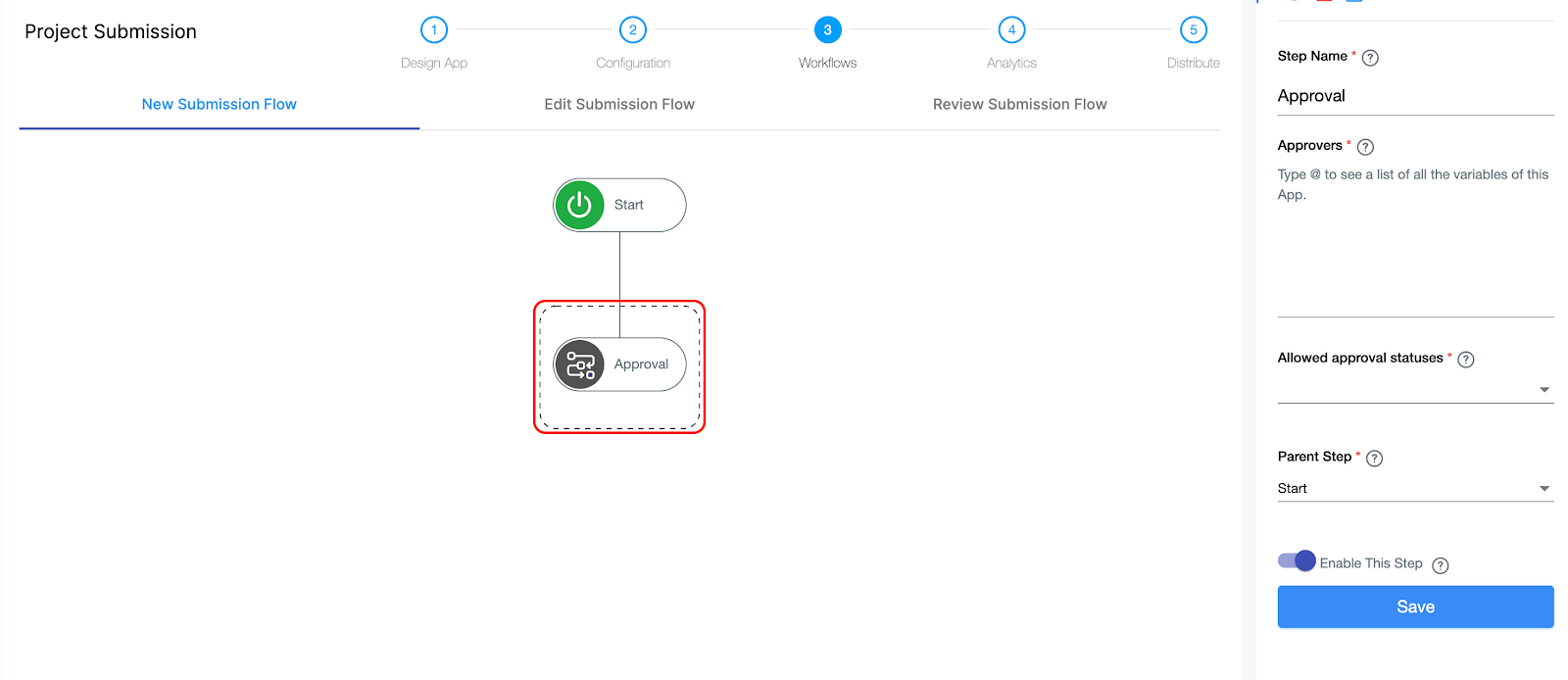
Different positions require different onboarding approaches. Sales representatives need CRM training and territory assignments. Engineers require development environment setup and code repository access. Remote employees need shipped equipment and virtual orientation. Manufacturing workers require safety training and facility-specific procedures.
Conditional logic displays relevant onboarding sections based on job role, department, location, or employment type. This customization ensures each new hire receives appropriate information without irrelevant tasks cluttering their checklist.
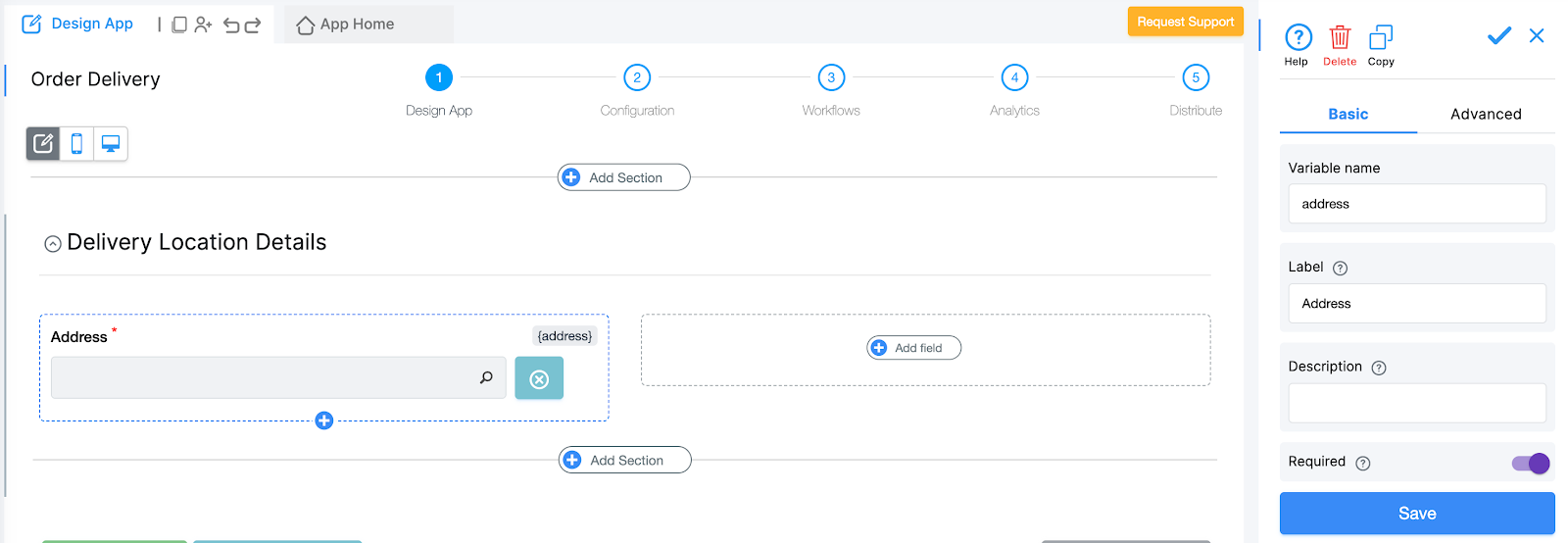
Clappia provides specialized blocks addressing onboarding needs. Single Line Text and Multi-Line Text capture employee names, positions, and notes. Email Input validates personal and work email addresses. Phone Number blocks with international country code support collect contact information. Address capture gathers residential addresses for tax and benefits purposes. Date Selector records start dates, birth dates, and training completion dates.
Drop Down selectors standardize department names, job titles, employment types, and onboarding status. Single Selector enables exclusive choices for employment classification or work location.
Many onboarding activities require approvals from multiple stakeholders. Equipment requests need manager approval and IT confirmation. Benefits enrollment requires HR verification. Budget-related expenses need finance approval. Approval workflows automate routing, track approval status, send reminders for pending decisions, maintain audit trails, and enable mobile approval from any device.
Effective onboarding distributes tasks across HR teams, IT departments, hiring managers, and new employees. Workflow automation enables automatic task creation upon employee record creation, assignment based on department or role, deadline calculation with automatic reminders, escalation processes for overdue tasks, and status updates when tasks complete.
Email notifications alert stakeholders to new assignments, overdue tasks, and completion milestones. Mobile push notifications deliver instant alerts directly to mobile devices. WhatsApp integration enables communication through employees' preferred messaging platform.
Different onboarding paths trigger based on employee characteristics. Remote employees skip facility tours but receive shipping information. International hires require visa documentation. Executives receive leadership onboarding. Interns follow shortened timelines. Conditional workflows evaluate employee data and route accordingly, ensuring appropriate experiences without manual intervention.
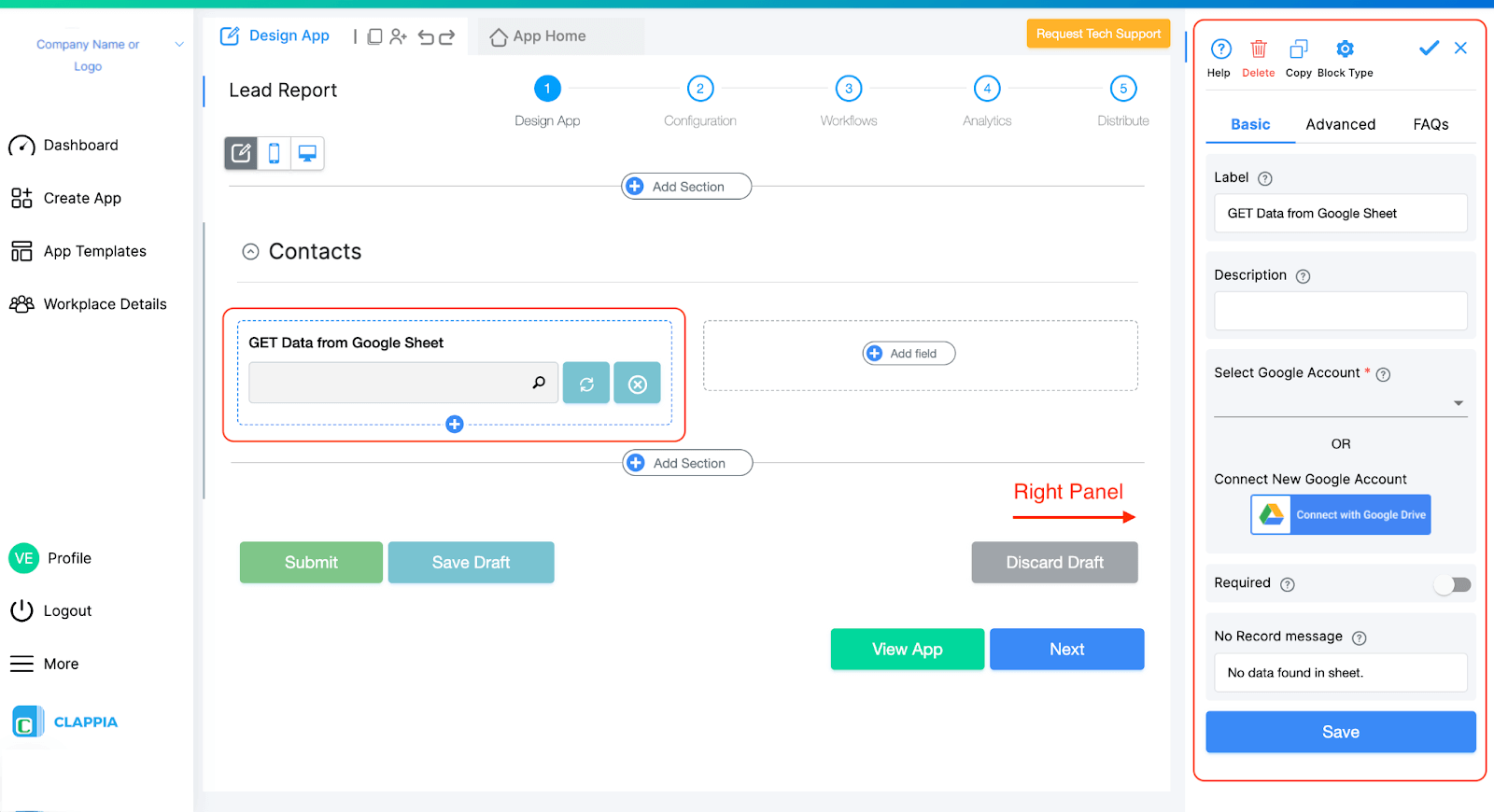
Onboarding data must flow into existing HR systems and databases. REST API integrations connect with HRIS platforms, payroll systems, and enterprise directories. Database connectivity enables direct access to MySQL, PostgreSQL, and Microsoft SQL Server databases. Google Sheets integration provides simple data synchronization for smaller organizations or specific reporting needs.
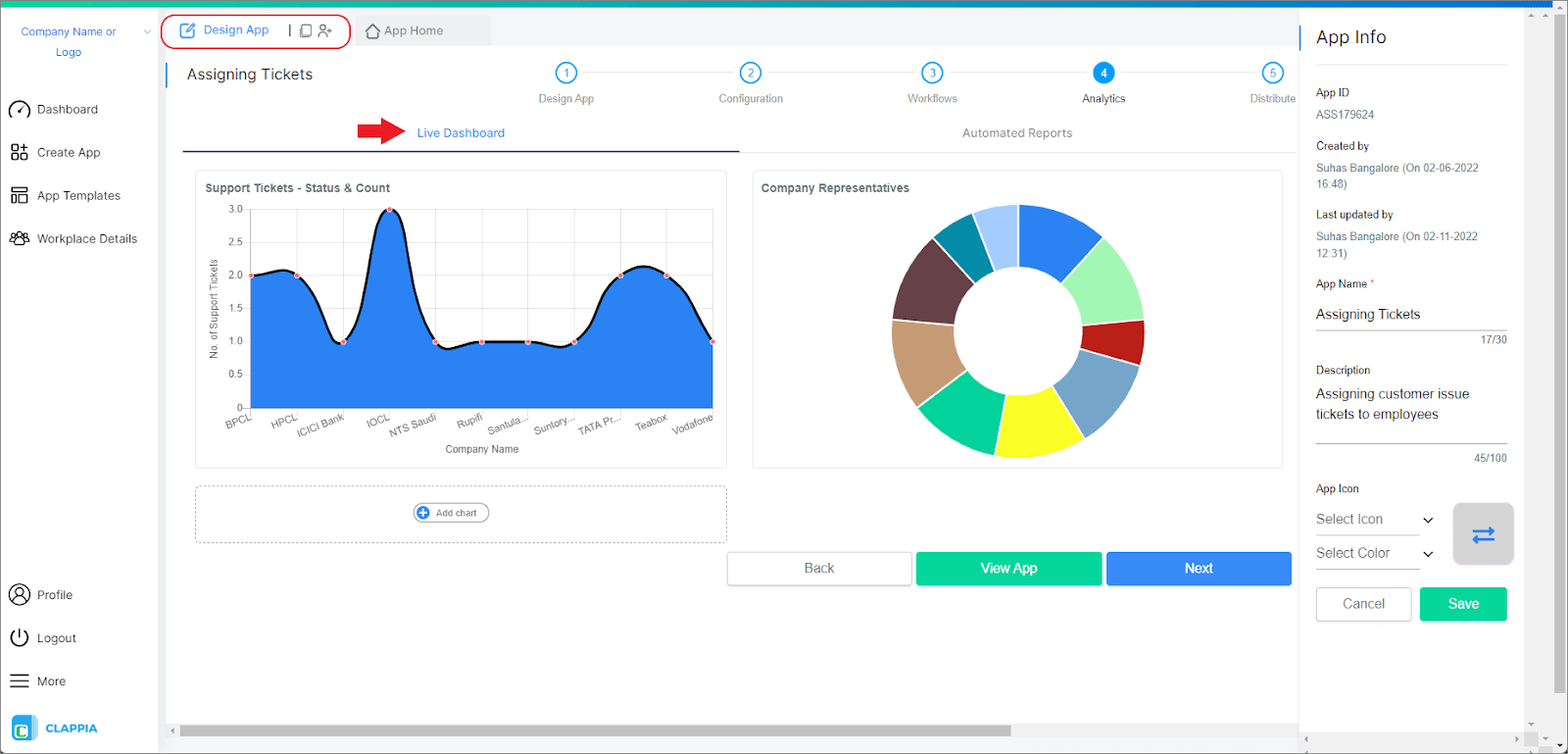
HR teams and managers need visibility into onboarding status across all new hires. Analytics dashboards display overall onboarding completion rates, individual progress by new hire, bottlenecks requiring attention, overdue tasks by owner, time-to-completion metrics, and department-specific performance.
Bar charts, line graphs, and pie charts visualize onboarding data. Completion trends over time identify seasonal variations. Department comparisons highlight areas requiring process improvements. Role-based filters enable targeted analysis.
Automated reporting delivers scheduled onboarding summaries to stakeholders without manual effort. Daily new hire reports show recent starts and immediate action items. Weekly completion reports aggregate progress across active onboarding. Monthly executive summaries provide high-level retention and efficiency metrics. Quarterly compliance reports document training completion and policy acknowledgment for audits.
Onboarding data often needs cross-referencing with other HR processes. Find Submissions workflow capability retrieves related records from other applications. For example, onboarding apps can pull employee information from recruitment apps, link to performance review schedules, connect with training completion records, and reference equipment inventory systems.
Remote onboarding presents unique challenges compared to traditional in-person processes. New hires never visit offices or meet colleagues face-to-face. Equipment ships to home addresses requiring tracking. Digital tools replace physical paperwork and signatures. Virtual meetings substitute for orientation sessions. Time zone differences complicate scheduling.
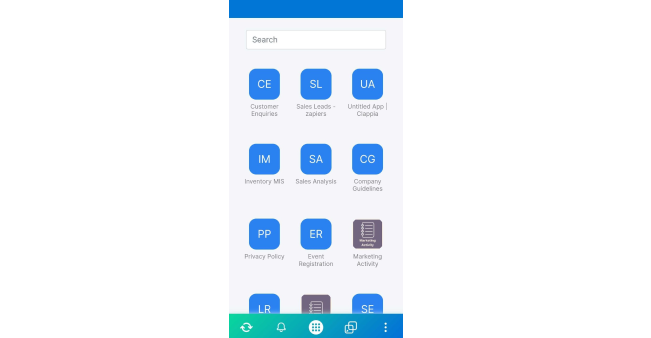
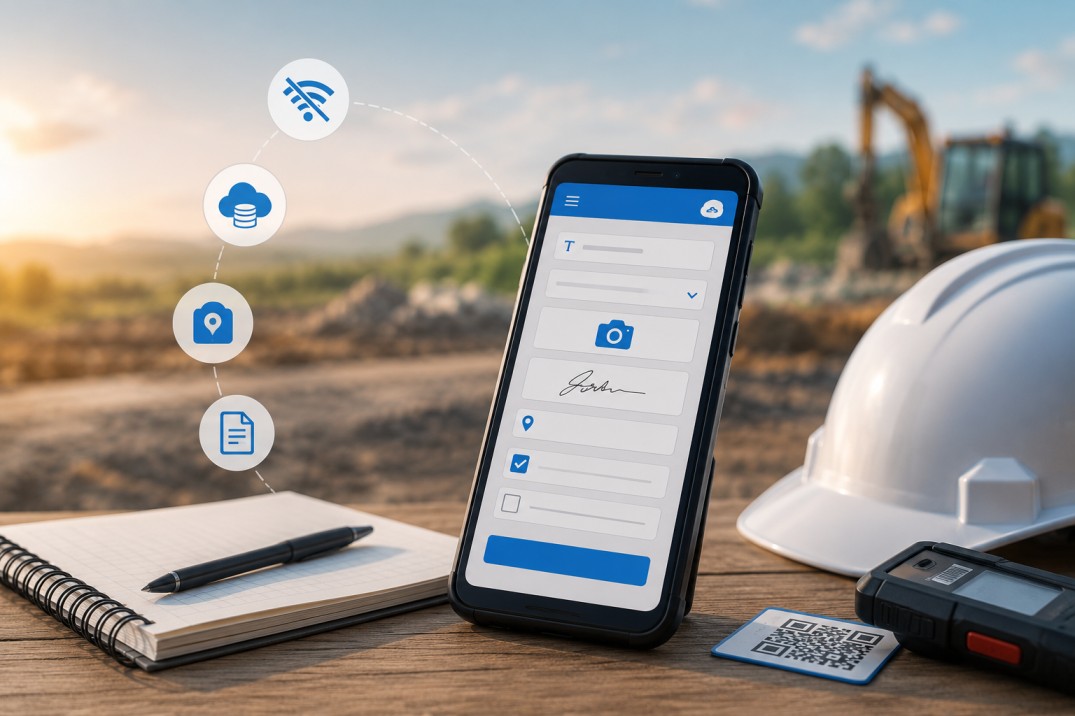
Mobile-responsive applications enable onboarding from smartphones and tablets. New hires complete forms during commutes or from home offices. Offline mode functionality ensures document upload continues even with poor connectivity, automatically synchronizing once connection resumes. This reliability proves critical for remote employees in areas with inconsistent internet access.
Remote onboarding requires purely digital documentation workflows. Camera and file upload capabilities let new hires photograph identification documents, snap photos of completed forms, and upload PDF documents from any device. Images upload directly to secure cloud storage with automatic timestamps and employee linking.
Virtual onboarding relies on video meetings, recorded training modules, and digital acknowledgments. Onboarding checklists track virtual orientation attendance, record completed training modules, capture video meeting links and recordings, and document learning progress. Date and time selectors schedule virtual meetings across time zones.
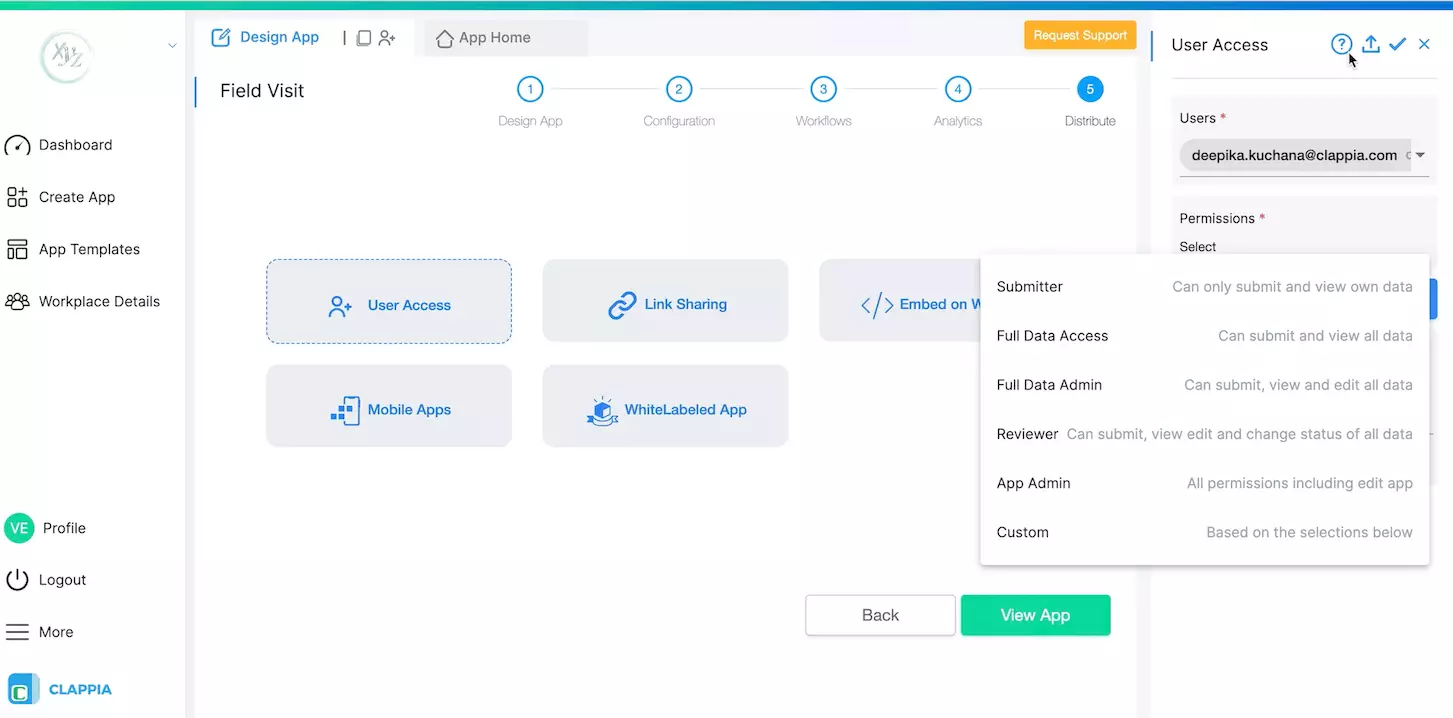
Employee onboarding involves sensitive personal information requiring strict access controls. User access management enables HR administrators to view and edit all records, hiring managers to see only their team's onboarding, IT staff to access equipment-related tasks, new employees to view only their personal checklists, and executives to access aggregate dashboards without individual details.
Onboarding data protection requires robust security measures. Encrypted data transmission protects information in transit. Secure cloud storage with redundancy prevents data loss. Regular automated backups enable disaster recovery. Compliance with data privacy regulations (GDPR, CCPA) ensures legal adherence. Access logging maintains audit trails of data access.
Regulatory compliance demands complete documentation. Every onboarding action creates timestamped records showing who completed which task and when. Document upload dates and times prove compliance timelines. Signature captures include IP addresses and GPS coordinates. Approval trails document decision-makers and justifications. These comprehensive audit trails satisfy regulatory inspections and legal inquiries.
Effective onboarding programs measure success through time-to-productivity metrics, new hire retention rates at 30-60-90 days, onboarding task completion rates, new hire satisfaction scores, manager satisfaction with preparedness, documentation compliance percentages, average onboarding cycle time, and cost per new hire.
Analytics reveal where improvements are needed. High dropout rates during specific tasks indicate problems. Low satisfaction scores suggest experience gaps. Extended completion times highlight process bottlenecks.
Structured check-ins throughout the first quarter ensure new hire success. 30-day check-ins assess initial impressions, clarify role expectations, identify support needs, address early concerns, and confirm training adequacy. 60-day check-ins evaluate performance progress, set development goals, review relationship building, discuss workload balance, and gather detailed feedback. 90-day check-ins measure full productivity achievement, conduct formal performance review, establish future objectives, confirm cultural fit, and decide probation completion.
Digital checklists automate check-in scheduling, send reminder notifications, capture meeting notes and feedback, track action item completion, and maintain historical records for comparison.
Onboarding processes should evolve based on data and feedback. Regular review of completion metrics identifies inefficiencies. New hire surveys reveal experience gaps. Manager feedback highlights preparation deficiencies. Compliance audits expose documentation problems. Exit interviews of recently departed employees provide critical insights.
The flexibility of no-code platforms enables rapid iteration. HR teams modify workflows based on feedback, add new requirements as regulations change, customize for organizational growth, and optimize based on performance data—all without IT dependencies or development delays.
Corporate environments require comprehensive onboarding covering company culture and values, policies and procedures, benefits programs, technology systems, office layouts and amenities, meeting protocols, communication channels, and organizational structure. Applications track multiple stakeholders across HR, IT, facilities, and department managers.
Manufacturing onboarding emphasizes safety and compliance. Checklists include safety training and certification, personal protective equipment (PPE) issuance, equipment operation training, facility layout and emergency procedures, quality control procedures, union orientation if applicable, shift schedules and time tracking, and workplace safety regulations.
Healthcare organizations face strict compliance requirements. Medical facility onboarding covers HIPAA privacy training, infection control procedures, patient safety protocols, electronic health record (EHR) system training, credentialing and privileging, department-specific certifications, emergency response procedures, and regulatory compliance documentation.
Customer-facing businesses require rapid onboarding for high-volume hiring. Retail onboarding includes point-of-sale system training, customer service standards, product knowledge training, cash handling procedures, loss prevention policies, scheduling and availability, uniform or dress code requirements, and store-specific procedures.
Fully remote organizations build entirely virtual onboarding. Digital checklists coordinate equipment shipping and delivery, virtual meet-and-greet sessions, online training module completion, digital tool and software access, communication platform setup, home office ergonomics guidance, virtual team integration activities, and remote work policy acknowledgment.
Creating digital onboarding checklists doesn't require lengthy IT projects or expensive consultants. Clappia's no-code platform enables HR teams to start building immediately without technical skills. The intuitive interface uses concepts HR professionals already understand—forms, approvals, notifications, and workflows.
Pre-built onboarding templates provide starting points covering common requirements like new hire information collection, document verification checklists, training tracking, equipment requests, orientation scheduling, and compliance acknowledgments. Templates customize easily to match specific organizational needs, industry requirements, company policies, and unique workflows.
Free plans support unlimited onboarding applications, enabling HR teams to build and test solutions before financial commitment. As hiring volumes grow, professional plans add capabilities like white-labeled mobile apps with company branding, increased user limits for enterprise scale, premium integrations with HRIS systems, advanced analytics and custom reports, and dedicated support for implementation assistance. The pricing model scales with organizational growth, ensuring cost-effectiveness at every stage.
Video tutorials demonstrate onboarding app creation step-by-step. Comprehensive help documentation covers every feature and use case. Active community forums connect with other HR professionals sharing best practices. Scheduled demos provide personalized guidance addressing specific onboarding requirements and questions.
Effective employee onboarding creates lasting impacts on retention, productivity, and organizational culture. Digital onboarding checklists transform chaotic manual processes into streamlined workflows that ensure consistency, improve compliance, enhance new hire experiences, reduce HR administrative burden, provide data-driven insights, scale with organizational growth, and adapt rapidly to changing requirements.
Clappia empowers HR teams to build custom onboarding solutions matching unique organizational needs without technical dependencies. The no-code platform accelerates deployment from weeks to days while maintaining full flexibility for continuous improvement. Mobile-first design supports remote and hybrid onboarding. Comprehensive integration connects with existing HR systems. Robust security protects sensitive employee data throughout the onboarding journey.
Organizations implementing digital onboarding checklists gain competitive advantages through improved new hire retention, faster time-to-productivity, consistent employee experiences, demonstrated compliance, reduced onboarding costs, and data-driven process optimization. The investment in onboarding digitalization delivers returns through lower turnover costs, enhanced employer brand, and stronger organizational culture.
Explore Clappia's capabilities and discover how digital employee onboarding checklists can transform your new hire experience.
Start Building Today: Sign up for free and create your first employee onboarding checklist application in minutes.
L374, 1st Floor, 5th Main Rd, Sector 6, HSR Layout, Bengaluru, Karnataka 560102, India
3500 S DuPont Hwy, Dover,
Kent 19901, Delaware, USA


.svg)



3500 S DuPont Hwy, Dover,
Kent 19901, Delaware, USA
L374, 1st Floor, 5th Main Rd, Sector 6, HSR Layout, Bengaluru, Karnataka 560102, India


.avif)
.webp)

.jpg)
