


Organizations struggle with workplace safety management: paper incident reports lost before investigations complete, delayed safety inspections missing critical hazards, manual compliance tracking causing audit failures, disconnected communication delaying emergency response, training certifications expiring unnoticed. Traditional HSE (Health, Safety, Environment) processes create dangerous gaps costing lives and millions in penalties.
Build comprehensive HSE management solutions with no-code platform. Create customized safety applications: digital incident reporting, mobile safety inspections, hazard assessments, compliance documentation, automated safety workflows.
HSE represents three interconnected safety management areas:
Health Management protects workers from occupational illness and long-term harm: exposure monitoring for chemicals, noise, and hazardous materials preventing chronic conditions, medical surveillance programs detecting early health impacts, ergonomic assessments preventing repetitive strain injuries, wellness initiatives supporting overall worker health and productivity.
Safety Management prevents accidents and acute injuries occurring immediately: hazard identification before incidents happen, risk assessment and control implementation following hierarchy, incident investigation learning from events systematically, emergency response planning and regular drills, personal protective equipment programs ensuring proper usage.
Environment Management minimizes organizational ecological impact: pollution prevention through proper material handling and controls, waste management and recycling programs reducing environmental footprint, stormwater runoff control preventing contamination, environmental permit compliance maintaining regulatory standing, sustainable operational practices minimizing resource consumption.
Organizations face severe consequences without systematic HSE management:
Worker Safety and Wellbeing at Risk: Preventable accidents cause injuries and fatalities destroying families and teams. Systematic HSE prevents tragedies through proactive hazard identification, comprehensive risk controls, proper training and supervision.
Financial Penalties and Legal Liability: OSHA serious violations cost $16,131 each, willful violations reach $161,323 per occurrence, failure-to-abate penalties accrue $16,131 daily until corrected. Single inspection generating hundreds of thousands in fines without compliance tracking. Workers' compensation claims, litigation costs, increased insurance premiums adding millions annually.
Operational Disruptions and Delays: Safety incidents halt operations during investigations consuming productive time, delay schedules during corrective actions affecting deliverables, require incident reporting and regulatory notifications, trigger enhanced inspection frequency. Reactive safety management costs 5-10x more than proactive prevention.
Reputation Damage and Business Impact: Safety incidents harm organizational reputation affecting future opportunities, damage client relationships potentially losing contracts worth millions, impact employee morale reducing productivity 15-25%, attract regulatory scrutiny increasing inspection frequency and oversight, deter top talent from joining organization.
Your Benefit: Systematic HSE management prevents 60-70% of workplace incidents through proactive hazard control. Compliance tracking avoids average $250,000 annual penalty costs. Improved safety culture increases productivity 20-30% through reduced disruptions and enhanced morale.
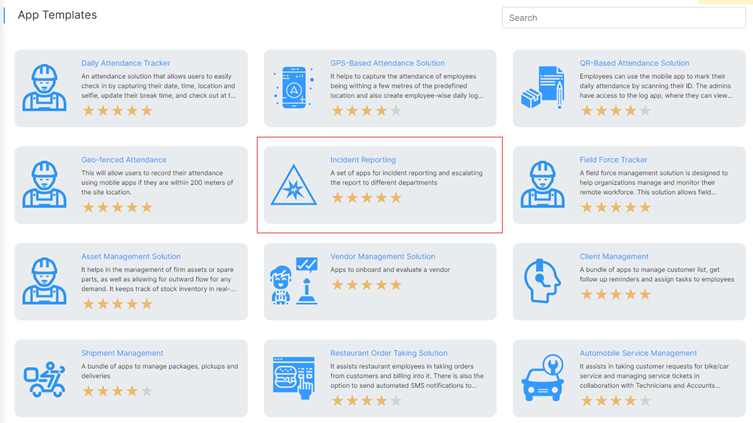
Capture safety events immediately using mobile incident reporting: workers document incidents at location eliminating delays, photo evidence preserves exact conditions, GPS location tracking pinpoints incident sites, timestamp documentation establishes precise occurrence time.
Investigate root causes systematically: structured investigation forms ensure thoroughness, multi-line text fields capture detailed narratives, contributing factor analysis identifies systemic issues, corrective action tracking ensures implementation.
Track incident trends identifying patterns: bar graphs compare incident types showing which predominate, line charts monitor rates over time measuring effectiveness, location analysis reveals high-risk areas, severity tracking prioritizes critical issues.
Conduct regular safety audits identifying hazards: digital inspection checklists ensure consistency, multi-selector hazard tracking captures all issues comprehensively, rating scales enable numerical assessment tracking improvement, dropdown classifications standardize risk levels.
Verify compliance with regulations and standards: OSHA requirement verification, industry standard adherence, client-specific contractual compliance, company internal policy verification. Conditional display logic shows relevant requirements based on work type.
Assign corrective actions with accountability: unique ID generation creates trackable action numbers (CORR-001, CORR-002), responsible party assignment ensuring ownership, due date tracking preventing delays, automated reminders alerting approaching deadlines.

Identify hazards before work begins: pre-work hazard analysis breaking tasks into steps, QR code scanning of equipment accessing hazard profiles, barcode scanning materials revealing safety data sheets, rich text documentation capturing detailed hazard descriptions.
Evaluate risks considering severity and likelihood: consequence ratings (negligible, minor, moderate, major, catastrophic), probability levels (rare, unlikely, possible, likely, almost certain), automatic risk scoring from matrix intersection, calculated risk classifications determining control requirements.
Implement appropriate controls following hierarchy: elimination removing hazards entirely, substitution replacing with safer alternatives, engineering controls isolating workers from hazards, administrative controls changing work procedures, PPE as final protection layer. Approval workflows ensuring high-risk work authorization.
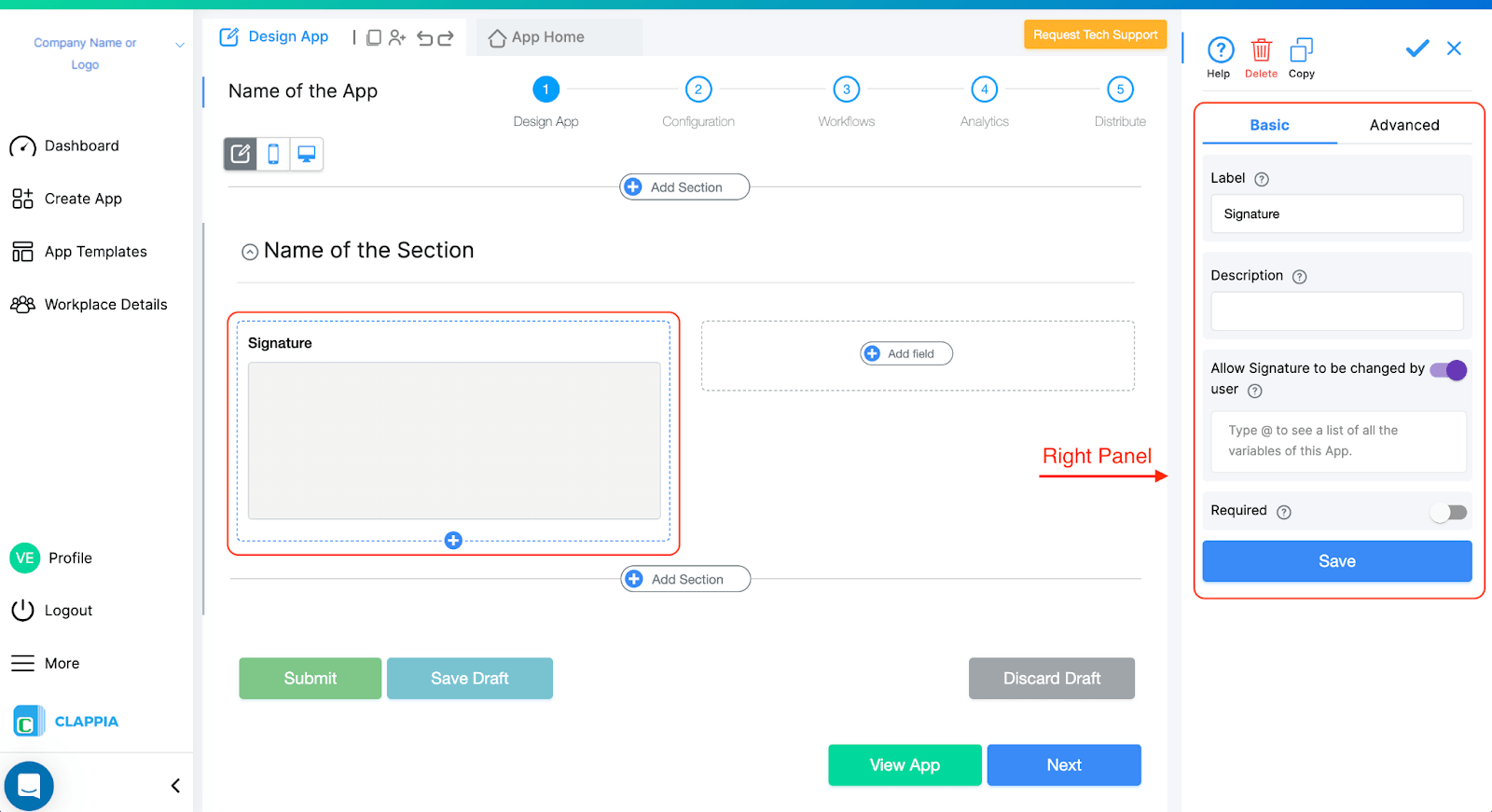
Provide safety orientation for all personnel: new hire safety induction programs, site-specific hazard briefings, emergency procedure training, digital signatures confirming training acknowledgment.
Maintain certification records proving competency: certification type categorization (OSHA regulatory, equipment-specific, specialized high-risk, emergency response), completion date documentation establishing qualifications, expiration date tracking for time-limited certifications, validation rules preventing expired certificate acceptance.
Track expiration dates scheduling refreshers: automated alerts 30-60 days before expiration enabling proactive renewal, expired certification flags prohibiting work assignment, refresher training scheduling maintaining continuous qualification, audit-ready documentation demonstrating systematic management.

Organize regulatory requirements systematically: federal regulations (OSHA standards, EPA rules), state and local codes varying by jurisdiction, industry standards (ANSI, NFPA, ISO), client contractual requirements, company internal policies.
Monitor compliance deadlines preventing lapses: document last inspection dates, track next inspection due dates, schedule recurring inspections automatically, workflow alerts approaching deadlines 30 days advance, flag overdue items requiring immediate attention.
Maintain audit-ready documentation: digital signature providing legal proof, dynamic PDF generation creating official reports, complete audit trail tracking all activities, data export capabilities for regulatory submissions.
Your Benefit: Comprehensive HSE components reduce compliance violations 80-90% through systematic tracking. Proactive risk assessment prevents 70-75% of potential incidents. Training management eliminates unqualified worker exposure ensuring competency verification.
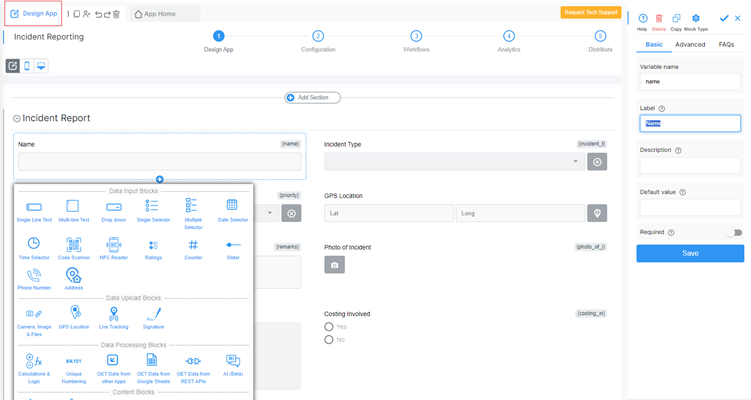
Traditional paper-based incident reporting creates dangerous delays: workers return to offices to complete forms losing critical details from memory fade, supervisors batch process reports at day's end when information stale, paper forms get misplaced before reaching safety managers requiring reconstruction, investigations start days later with incomplete information reducing effectiveness.
Mobile incident reporting eliminates these gaps: workers document incidents immediately using smartphones at exact locations, details capture while fresh and accurate, supervisors receive instant email notifications enabling immediate response, investigations begin promptly with complete information.
Dropdown selectors standardize incident classification: incident type categorization (injury, near-miss, property damage, environmental release, security event), severity ratings guiding response (first aid, medical treatment, lost time, fatality), affected personnel identification maintaining accurate records, witness information collection supporting investigations.
Precise timestamp and location documentation: automatic date/time capture eliminating manual entry errors, GPS coordinates pinpointing exact incident locations, location mapping enabling spatial analysis, coordinate precision supporting emergency response.
Multi-line text narratives describing exactly what happened: detailed incident sequence documentation, contributing factors identification, immediate actions taken recording, initial observations capturing, witness statement collection. Comprehensive narratives supporting thorough root cause analysis.
Photo capture provides undeniable evidence: photograph exact injury location showing hazard conditions before cleanup, document equipment damage revealing accident mechanism, capture environmental spills demonstrating extent and impact, record PPE status at incident time verifying usage.
Multiple photo uploads from different angles: overview shots showing broader context, close-up images revealing specific details, sequential photos documenting progression, before-and-after images demonstrating response effectiveness.
Photos eliminate ambiguity and disputes: support thorough root cause analysis with visual facts, provide evidence for regulatory OSHA reports, demonstrate conditions during safety training sessions, defend against fraudulent claims with timestamped GPS-tagged proof, preserve scene details before remediation.
GPS tracking pinpoints incident locations precisely: automatically capture latitude/longitude coordinates when incidents reported, map incident clusters identifying high-risk zones requiring enhanced controls, track events by facility zones enabling targeted interventions, verify incident locations with coordinate precision preventing false reporting.
Live tracking capability for ongoing situations: monitor emergency response team movements, track evacuation progress during incidents, coordinate multiple responders using real-time positions, document response timelines with location stamps.
Location analysis reveals critical patterns: multiple falls in specific area indicate localized hazard needing immediate remediation, struck-by incidents near equipment requiring additional controls or barriers, slip-trip-fall concentration suggesting housekeeping problems, confined space incidents triggering permit system review.
QR code scanning links incidents to specific assets: scan equipment QR codes instantly populating asset information, link incidents to maintenance records revealing patterns, track equipment-specific incident history, identify high-risk assets requiring replacement.
Barcode scanning materials involved: scan material barcodes accessing safety data sheets, identify chemical exposures automatically, link incidents to specific material batches, track material-related incident trends.
NFC tag reading for rapid identification: one-tap asset identification without line-of-sight, works in tight spaces where QR codes difficult, faster interaction improving reporting compliance, particularly effective for frequently-accessed equipment.
Your Benefit: Mobile reporting reduces incident documentation time from 20-30 minutes to 2-3 minutes increasing compliance. Photo/GPS evidence supports 95%+ investigation success rate. Immediate capture prevents 80% of information loss from memory fade. Automated notifications enable response within 5-10 minutes versus hours with paper.
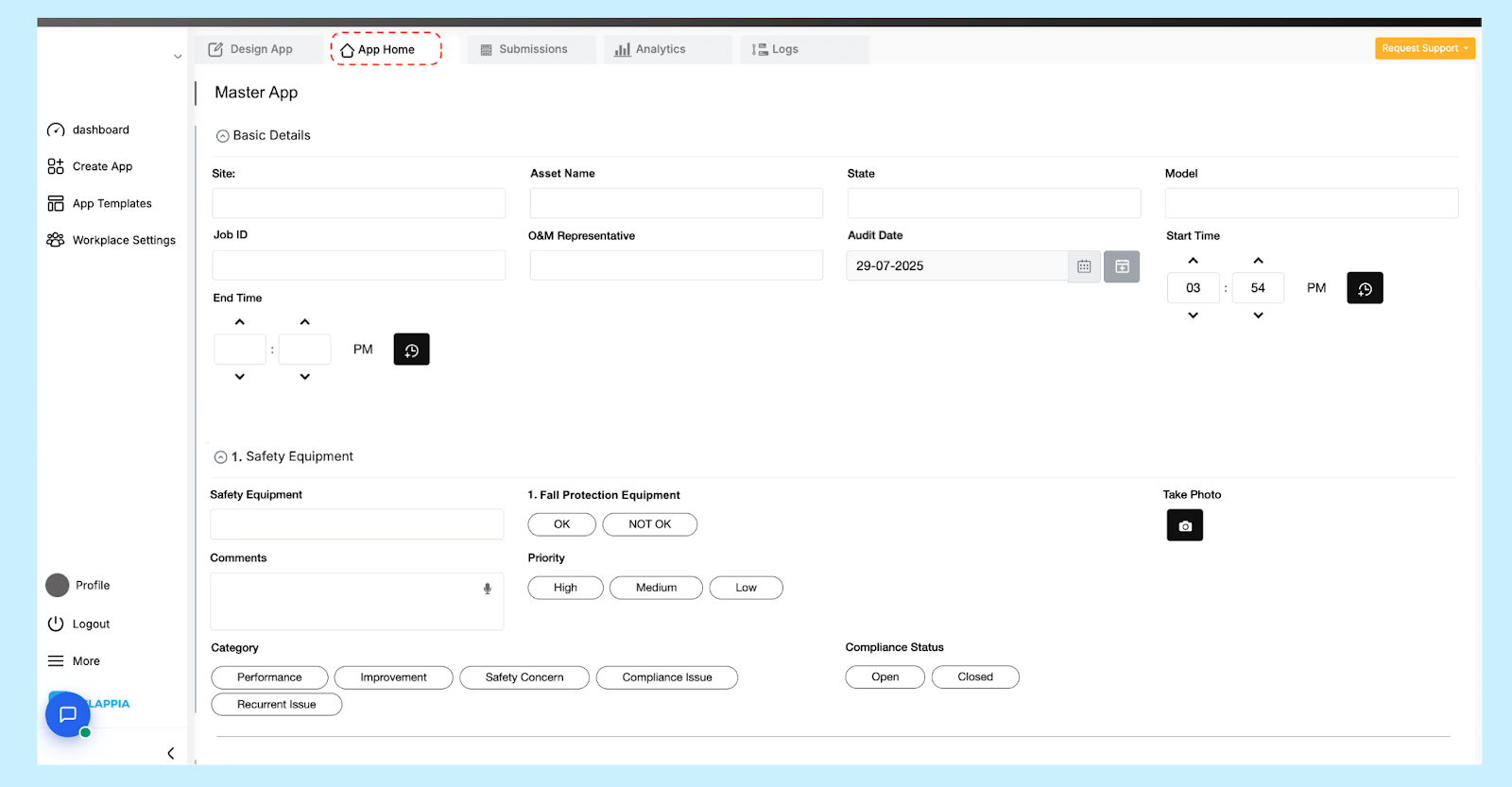
Paper inspection checklists create critical problems: forms get lost before data entry causing compliance gaps, handwriting becomes illegible preventing analysis, inspectors forget forms requiring time-consuming office returns, completed checklists sit in piles awaiting manual review, trends remain hidden in paper files impossible to analyze at scale.
Digital inspection applications solve these issues comprehensively: conduct inspections on tablets or smartphones at exact site locations, automatically save data eliminating lost forms entirely, legible digital entries everyone can read clearly, instant submission to management without delays, automatic trend analysis revealing patterns invisible with paper.
Multi-selector hazard tracking captures all safety issues: select all fall hazards observed simultaneously (unguarded edges, unsafe ladders, missing guardrails, inadequate hole covers, unstable scaffolding), identify electrical hazards (damaged cords, missing GFCIs, improper grounding, exposed conductors), note struck-by hazards (unsecured materials, equipment swing areas, overhead work), document caught-between hazards (unguarded machinery, trench protection gaps, pinch points).
Multiple selections ensure thorough documentation: capture all hazards not just most serious, provide complete site condition picture for management, support comprehensive corrective action planning, demonstrate inspection thoroughness during regulatory audits.
Photo documentation of identified hazards: visual evidence supporting findings, before-and-after photos demonstrating corrections, multiple angle coverage showing context, timestamped images proving observation dates.
Dropdown risk categories ensure consistent prioritization across inspectors: inspection overall status (pass, pass with observations, fail/stop work immediately), specific finding risk levels (low, medium, high, critical/imminent danger), corrective action priority (immediate/stop work, urgent within 24 hours, routine within 7 days, long-term planning), responsible party assignment (facility management, specific department, external contractor, equipment vendor).
Consistent classification drives appropriate response speed: critical findings stop work immediately protecting workers from imminent danger, high-risk items receive urgent attention within hours rather than days, medium-risk issues correct within reasonable timeframes, low-risk observations address during routine maintenance cycles.
Conditional workflows triggering automated actions: IF risk level = critical THEN notify senior management immediately AND stop work authority, IF corrective action overdue THEN escalate to director level, IF multiple high-risk findings THEN trigger comprehensive audit.
Rating scale blocks enable numerical assessment: rate overall housekeeping 1-5 scale tracking cleanliness trends, evaluate fall protection adequacy measuring improvement, score PPE compliance levels identifying training needs, assess emergency preparedness revealing gaps.
Quantitative data tracking performance over time: line charts show monthly ratings demonstrating improvement or decline, compare facilities or departments objectively identifying best practices, identify declining trends triggering proactive intervention, measure initiative effectiveness through rating changes.
Calculated fields creating composite scores: overall safety score averaging multiple ratings, compliance percentage calculating passed items versus total, improvement index comparing current versus previous, risk-adjusted scoring weighting by severity.
Digital signatures ensuring accountability: inspectors sign reports with legal binding, supervisors approve findings acknowledging awareness, facility managers sign corrective actions accepting responsibility, safety officers authorize high-risk work permits.
Unique ID generation tracking inspections: sequential inspection numbers (INSP-001, INSP-002) enabling reference, finding numbers linking to corrective actions, audit trail numbers for compliance demonstration, version control for revised inspections.
Your Benefit: Digital inspections complete in 10-15 minutes versus 30-45 minutes paper saving 50-60% time. Multi-selector captures 40% more hazards versus paper checkboxes. Standardized classification ensures 90%+ consistent prioritization across inspectors. Real-time data enables same-day analysis versus week-long paper processing.
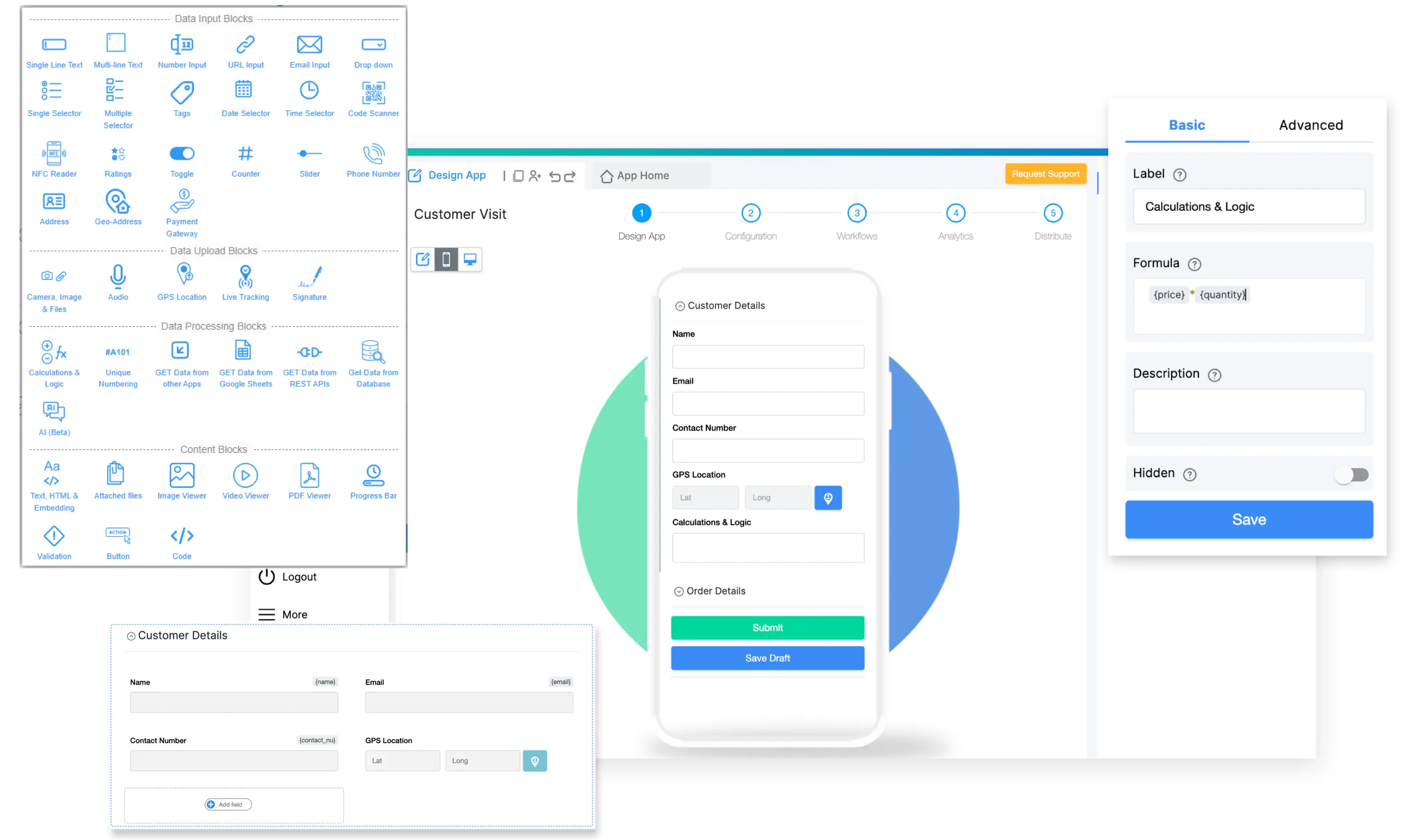
Reactive safety waits for incidents then responds ineffectively. Proactive safety identifies hazards during planning stage preventing accidents entirely. Pre-work hazard analysis catches risks before worker exposure: break tasks into detailed steps, identify hazards at each step systematically, determine controls needed for each hazard, implement protection measures before starting work.
Pre-work planning prevents most common incidents: fall hazards identified before height work begins enabling proper protection installation, electrical hazards recognized before energized work allowing de-energization procedures, excavation risks assessed before digging ensuring proper shoring, confined space dangers evaluated before entry preventing atmospheric exposures.
Multi-line text documentation captures detailed hazard information: describe identified hazards explaining exact nature and precise location, document potential consequences if uncontrolled (injury type, severity levels, affected body parts), list existing controls already in place providing baseline protection, specify additional controls required for safe execution beyond baseline.
Rich text editor for formatted documentation: bold critical warnings requiring emphasis, bullet lists organizing multiple controls clearly, tables comparing control options systematically, color coding risk levels for visual recognition.
Comprehensive documentation supporting informed decisions: management understands exact risks before authorizing work enabling risk-based approval, workers comprehend specific hazards they'll face improving hazard awareness, safety officers verify adequate controls before work begins ensuring protection, auditors see systematic risk management demonstrating due diligence.
Risk assessment matrices evaluate severity and likelihood objectively: dropdown consequence ratings (negligible, minor, moderate, major, catastrophic) standardizing severity assessment, probability level selectors (rare, unlikely, possible, likely, almost certain) quantifying likelihood, automatic risk scoring from matrix intersection eliminating subjective judgment, risk classification (low, medium, high, extreme) driving control selection.
Risk scores driving appropriate action requirements: extreme risks prohibit work until enhanced controls implemented and verified, high risks requiring additional controls beyond standard plus management approval, medium risks needing standard controls with supervision and monitoring, low risks proceeding with routine precautions and awareness.
Conditional display showing relevant controls: extreme risk displaying permit-to-work requirements, high risk showing enhanced PPE selections, medium risk presenting standard control options, low risk hiding unnecessary fields streamlining process.
Hierarchy of controls ensuring most effective protection: elimination removing hazards completely (most effective control), substitution replacing with safer alternatives, engineering controls isolating workers from hazards physically, administrative controls changing work procedures and practices, PPE as final protection layer (least effective control requiring perfect usage).
Multi-selector control tracking documenting implemented measures: select all applicable engineering controls (machine guarding, ventilation systems, barriers, enclosures), check administrative controls (permits, procedures, training, supervision), specify required PPE (respiratory protection, fall protection, eye protection, hand protection).
Photo documentation of controls: photograph installed engineering controls verifying implementation, document administrative control signage, capture PPE being used, before-and-after images demonstrating improvements.
Your Benefit: Pre-work assessment prevents 70-75% of potential incidents through proactive hazard identification. Systematic risk evaluation ensures appropriate controls 95%+ of time. Documented process demonstrates legal due diligence reducing liability. AI-powered analysis identifies patterns suggesting additional controls improving effectiveness 15-25%.

Organizations face complex overlapping compliance requirements: OSHA regulations varying by industry, EPA environmental rules, state codes differing by jurisdiction, local ordinances at municipal level, client-specific contractual requirements, industry standards (ANSI, NFPA, ISO). Manual tracking struggles keeping current: requirements change frequently, deadlines approach unnoticed, expired permits causing immediate violations, audit preparation becoming crisis management.
Dropdown compliance categorization organizing requirements clearly: federal regulations (OSHA 1910/1926, EPA standards, DOT rules), state and local codes varying by jurisdiction, client-specific contractual requirements unique to projects, industry standards (ANSI, NFPA, ISO certifications), company internal policies exceeding minimums.
Multi-line text descriptions detailing requirements: exact regulatory citation for reference, specific compliance requirement description, applicable facility areas or operations, inspection frequency and methods, documentation requirements proving compliance.
Organized tracking ensuring nothing overlooked: all requirements captured in single centralized system, clear responsibility assignment preventing gaps, complete audit trail tracking all compliance activities, regulatory confidence through systematic management.
Automated date tracking managing critical deadlines: document last inspection completion dates establishing baseline, track next inspection due dates preventing lapses, schedule recurring inspections automatically (daily, weekly, monthly, quarterly, annually), workflow alerts approaching deadlines 30 days in advance, flag overdue items requiring immediate attention with urgency.
Automated email alerts preventing lapses: crane inspections every 12 months notifying 30 days before, scaffold inspections daily alerting morning of requirement, excavation inspections daily and after rain events, electrical GFCI testing monthly with automated reminders, fire extinguisher inspections monthly tracking completion.
SMS urgent notifications for critical deadlines: text message alerts for expired permits, critical overdue inspections, imminent audit dates, regulatory filing deadlines.
Digital signatures providing legal proof and accountability: inspectors sign reports with binding accountability, supervisors approve corrective actions acknowledging responsibility, contractors acknowledge violations accepting liability, safety managers authorize high-risk work with documented approval.
Dynamic PDF generation creating official reports: branded compliance reports with company logo, embedded QR codes linking to digital records, barcode generation for tracking and filing, timestamped signatures proving completion dates.
Complete documentation enabling rapid audit response: export compliance data to spreadsheets for analysis, filter by regulation type or deadline, search across all compliance records, demonstrate systematic tracking during inspections.
Your Benefit: Compliance tracking prevents 80-90% of violations through systematic deadline management. Automated alerts eliminate missed inspections saving average $16,131 per violation avoided. Digital signatures reduce audit preparation time 70% from 40 hours to 12 hours. Centralized system provides instant regulatory response versus days searching paper.
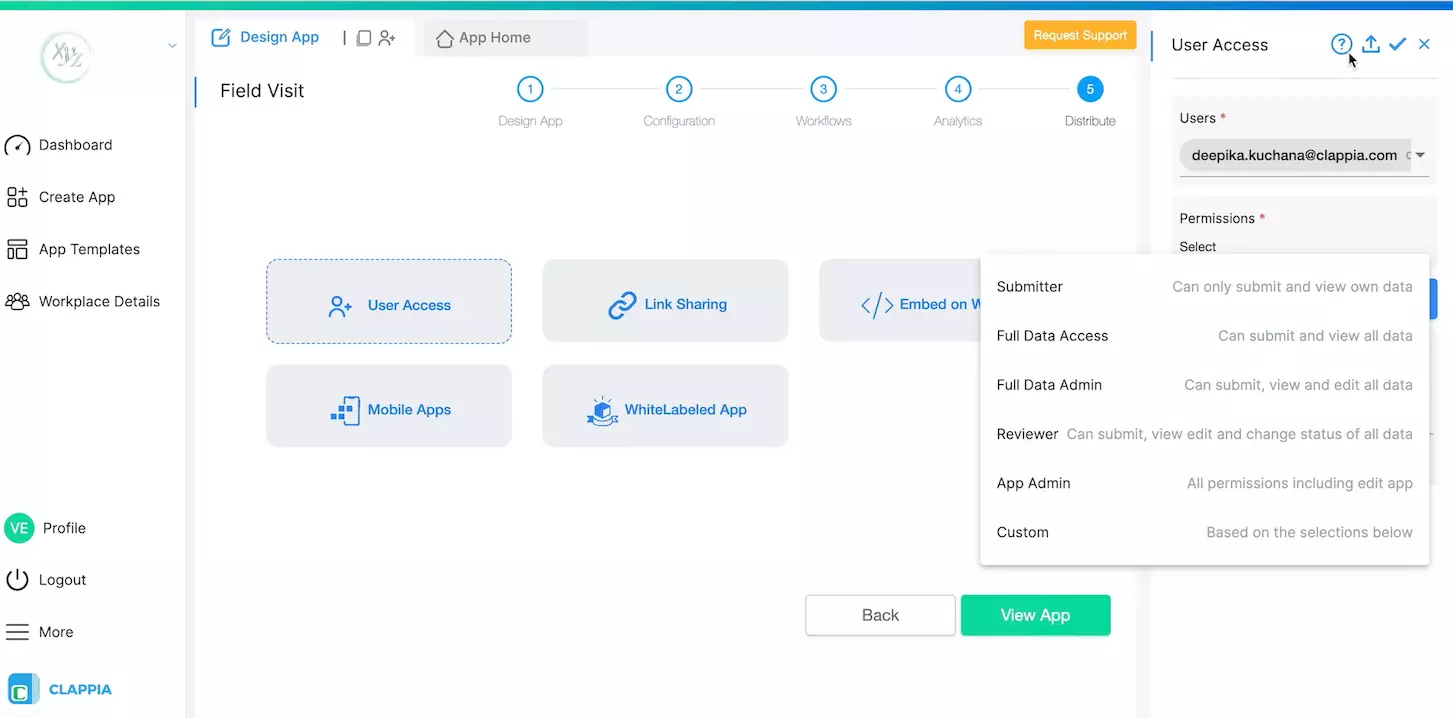
Workers need extensive training and certifications: OSHA 10/30-hour general industry or construction cards, fall protection competent person certification, confined space entry supervisor qualification, excavation competent person designation, crane operator licenses with type-specific ratings, forklift certifications for equipment classes, hazardous materials handling HAZWOPER training, first aid/CPR emergency response qualification.
Dropdown training categorization organizing certifications systematically: OSHA regulatory training (required by law), equipment-specific certifications (machinery operation), specialized high-risk training (confined space, fall protection), emergency response qualifications (first aid, fire fighting), site-specific orientation (facility hazards).
Multi-selector qualification tracking for multiple certifications: workers holding numerous certifications selected simultaneously, comprehensive qualification profile for each employee, qualification matrix showing workforce capabilities, gap analysis identifying training needs.
Certification expiration tracking managing training validity: date fields document completion dates establishing initial qualifications, track expiration dates for time-limited certifications, calculated fields showing remaining validity days, schedule refresher training automatically 30-60 days before expiration enabling proactive renewal.
Automated workflow alerts preventing unqualified workers: identify certifications expiring within 30 days triggering training scheduling, alert 15 days before expiration requiring urgent action, flag expired certifications immediately prohibiting work assignment, notify supervisors when assigned workers lack required qualifications.
Mobile push notifications for urgent training needs: instant alerts when certification expires, notification when worker assigned to task requiring qualification they lack, reminder when refresher training scheduled.
Digital signatures confirming training participation: workers sign acknowledging training completion, trainers sign verifying delivery and comprehension, supervisors sign approving qualification for task assignment, safety managers sign authorizing high-risk work based on qualification.
Photo documentation of training sessions: photograph training attendance proving participation, capture training materials demonstrating content, document practical evaluations showing competency, before-and-after knowledge assessment results.
QR code generation for training records: QR codes on certificates linking to digital records, scannable proof of qualification at work sites, instant verification of training currency, mobile access to complete training history.
Rating scales evaluating training effectiveness: rate trainee comprehension 1-5 scale, assess practical skill demonstration, evaluate knowledge retention, score overall competency. Numerical assessment enabling performance tracking and identifying workers needing additional support.
Validation rules ensuring qualification requirements: prevent task assignment without required certification, require supervisor approval for qualification waiver, enforce minimum training hours before high-risk work, verify assessment passing score before competency grant.
Your Benefit: Training tracking prevents unqualified worker incidents reducing liability 90%. Expiration alerts enable proactive scheduling preventing 95% of lapsed certifications. Digital signatures provide legal-quality documentation surviving audits. Qualification verification ensures 100% compliance with regulatory requirements eliminating $50,000-500,000 violation penalties.
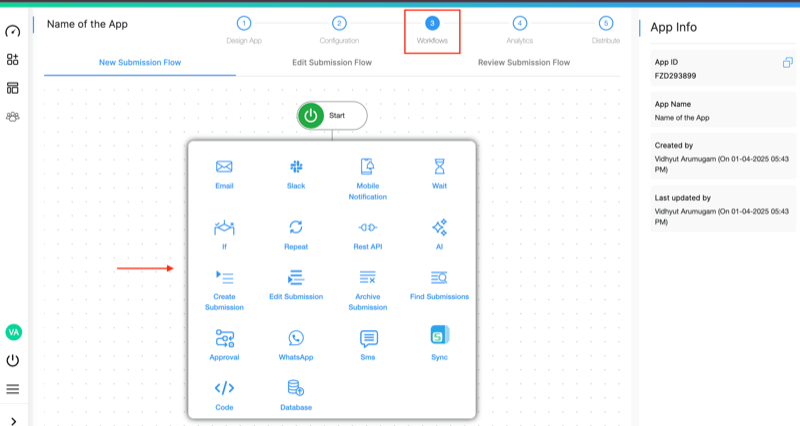
Approval workflow chains ensuring proper authorization before dangerous work: incident investigations requiring supervisor initial review and safety manager closure approval providing executive visibility, hazard assessments needing safety officer technical sign-off before high-risk work proceeds preventing unauthorized danger, permit-to-work applications requiring multiple sequential approvals (supervisor operational approval, safety officer technical approval, area owner access approval).
Approval chains preventing unsafe work execution: confined space entries without comprehensive gas testing and rescue arrangements, hot work without fire watch assignment and combustible material removal, excavations without utility clearance and proper shoring verification, energized electrical work without lockout/tagout and qualified electrician approval.
Conditional routing based on risk severity: low-risk activities routed to supervisor only, medium-risk requiring safety coordinator review, high-risk escalating to safety manager, extreme-risk requiring senior executive approval before proceeding.
Conditional workflows triggering appropriate actions automatically based on incident characteristics: IF severity = fatal or serious injury THEN notify executive leadership immediately AND trigger comprehensive investigation protocol AND suspend similar activities pending review, IF risk level = imminent danger THEN route to safety director bypassing routine queues AND issue immediate stop-work authority, IF corrective action status = overdue THEN escalate to project director after deadline passes AND increase alert frequency.
Smart automation ensuring right response speed for situation: critical life-threatening issues get immediate C-suite attention within minutes, high priorities receive expedited safety team review within hours, medium-priority matters follow standard review processes within days, routine matters progress through normal workflows preventing bottlenecks.
Multiple notification channels based on urgency: critical incidents trigger immediate SMS texts to management phones, high-priority issues send email alerts with mobile push, medium-priority items use standard email distribution, routine matters consolidate in daily digests preventing alert fatigue.
Unique ID generation creating trackable action numbers: sequential corrective action IDs (CA-001, CA-002) enabling reference and follow-up, finding numbers linking inspections to corrections, incident numbers connecting root causes to preventive actions, audit numbers for compliance demonstration.
Corrective action status tracking preventing items falling through cracks: dropdown status (assigned, in progress, pending verification, completed, verified), responsible party assignment with accountability, due date tracking with automated reminders, completion evidence through photos and signatures.
Automated escalation preventing unaddressed hazards: workflow alerts approaching due dates 3 days before deadline, overdue notifications immediately upon deadline passage, escalation to higher management when action 7 days overdue, executive involvement when critical action 14 days overdue.
Your Benefit: Approval workflows prevent 100% of unauthorized high-risk work ensuring proper oversight. Conditional routing reduces approval time 60% from 3-5 days to 1-2 days for routine matters while maintaining rigorous review for critical items. Automated escalation prevents 95% of corrective actions languishing unaddressed. Audit trail provides complete documentation of authorization decisions.

Email notifications maintaining organizational safety awareness: alert senior management immediately when serious incidents occur enabling executive response, notify direct supervisors when inspections find critical hazards requiring immediate action, send daily safety summaries to project teams maintaining awareness, distribute weekly safety bulletins with lessons learned preventing recurrence.
Automated emails eliminating manual distribution burden: reach geographically dispersed project teams consistently, ensure everyone receives critical safety information simultaneously, maintain safety communication discipline through automation, reduce safety administrator burden 70% from 20 hours weekly to 6 hours.
Rich text email formatting improving communication effectiveness: bold critical warnings requiring immediate attention, color-coded risk levels for visual recognition, embedded photos showing hazards directly in email, clickable links to detailed reports and documentation.
SMS notifications providing instant alerts bypassing email overload: text facility management immediately when injuries occur requiring rapid response, alert supervisors when workers report unsafe conditions needing verification, notify emergency contacts when serious incidents happen, announce weather-related safety suspensions reaching field workers.
Text messages ensuring urgent attention and rapid response: cut through email overload with direct device notification, reach field personnel without regular email access, trigger faster response than periodic email checking (5 minutes versus 2-4 hours), provide appropriate urgency for critical safety events requiring immediate action.
Pre-approved message templates for regulatory compliance: SMS content following company communication policies, consistent terminology preventing confusion, approved language meeting legal requirements, standard formats improving clarity and recognition.
Mobile push alerts enabling mobile workforce coordination: receive instant hazard alerts while on sites without email checking, update corrective action status using smartphones at work locations, acknowledge safety communications from anywhere documenting participation, submit near-miss reports immediately upon observation.
Push notifications maintaining safety awareness: daily safety topic notifications building culture, shift-start hazard briefing reminders, PPE requirement alerts for specific work zones, weather warning push maintaining situational awareness.
WhatsApp Business integration for team collaboration: safety team group messaging for coordination, photo sharing of hazardous conditions, quick updates on corrective action progress, emergency communication during incidents.
Slack notifications keeping teams coordinated in real-time: post critical findings to safety channel for immediate team visibility, share incident notifications enabling collective response, announce inspection completion triggering review, distribute daily safety metrics maintaining awareness.
Channel-based organization improving information flow: #safety-critical for urgent matters requiring immediate attention, #safety-incidents for event notifications and investigation updates, #safety-inspections for audit findings and corrective actions, #safety-metrics for performance tracking and trends.
Your Benefit: Multi-channel approach ensures 95%+ message delivery versus 60-70% single-channel. Email provides detailed documentation and formal communication. SMS delivers 99% read rate within 3 minutes for urgent matters. Mobile push maintains field connectivity without office dependency. Slack integration enables team collaboration reducing coordination time 50%.
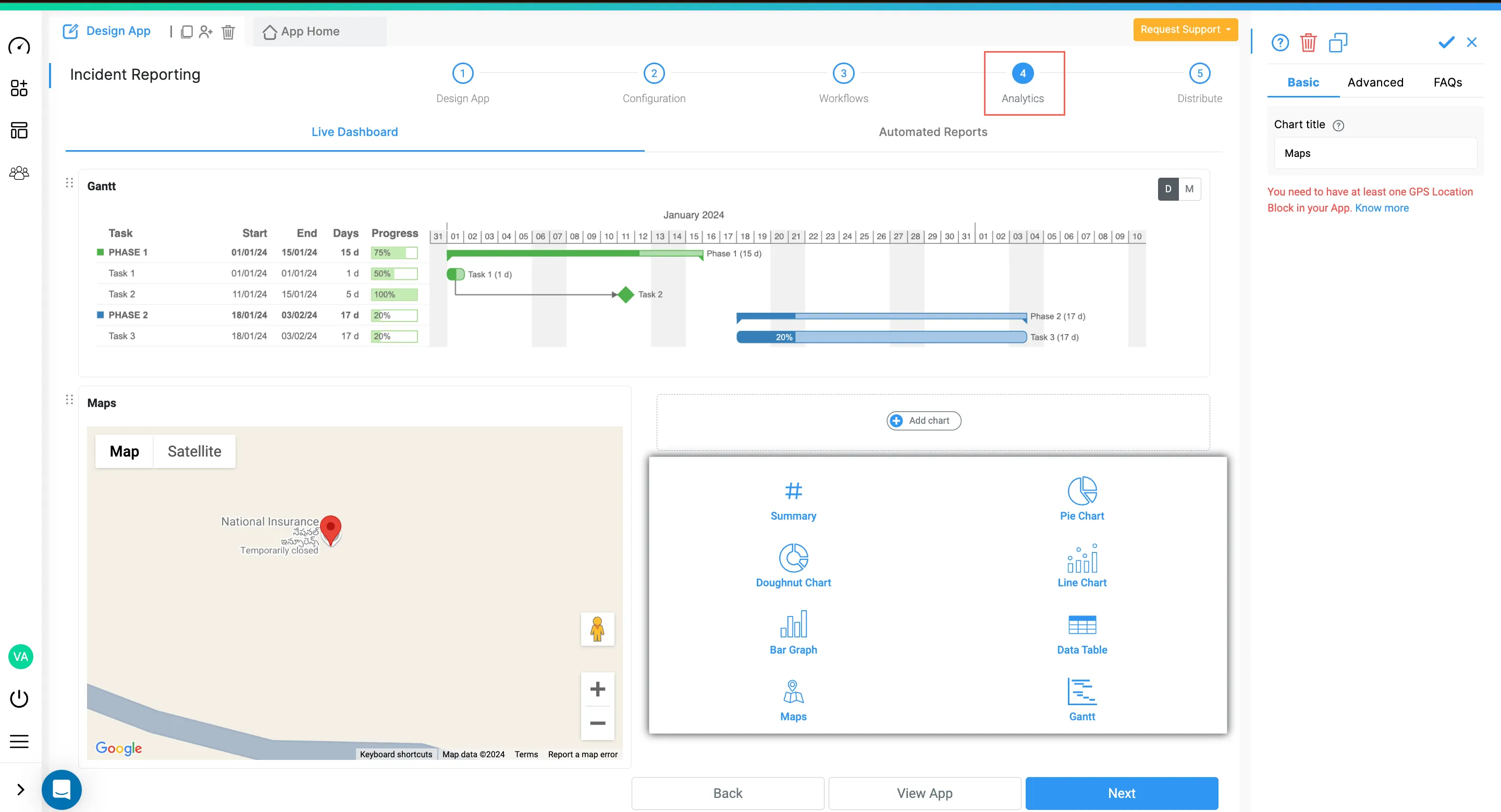
Analytics dashboards revealing safety patterns invisible in paper records. Bar graphs compare incident categories: incidents by type showing which predominate (falls 35%, struck-by 25%, caught-between 20%, electrical 15%, other 5%), incidents by location identifying high-risk areas (production floor 45%, warehouse 30%, shipping 15%, maintenance 10%), violations by regulatory category revealing common gaps (fall protection 40%, electrical safety 25%, machine guarding 20%, PPE 15%).
Category comparisons identifying focus areas requiring intervention: fall-related incidents at 35% prioritizing fall protection program enhancement, electrical violations predominating intensifying electrical safety training and inspection frequency, specific high-incident locations requiring comprehensive hazard analysis and enhanced controls.
Data filtering and segmentation enabling detailed analysis: filter by date range analyzing recent versus historical, segment by department or crew identifying performance variations, isolate by incident severity focusing on serious events, filter by root cause revealing systematic issues.
Line charts monitor leading and lagging indicators: monthly incident rates measuring overall safety performance (target declining trend), weekly inspection completion rates tracking program compliance (target 100% completion), quarterly training percentage monitoring qualification currency (target 95%+ current certifications), daily near-miss reporting showing reporting culture (target increasing reports indicating awareness).
Trends demonstrating program effectiveness or revealing problems: declining incident rates confirming safety initiatives working effectively, improving inspection completion rates showing increased accountability and engagement, rising training completion demonstrating organizational commitment, increasing near-miss reports indicating maturing safety culture versus declining rates suggesting underreporting.
Early warning detection enabling proactive intervention: slight uptick in incident rates triggering investigation before serious injury, declining inspection completion requiring management emphasis, dropping near-miss reports suggesting culture problems, increasing repeat violations indicating training gaps.
Pie charts show proportional distributions: incident types as percentages revealing predominant hazards, hazard categories as portions of inspection findings, root causes showing systematic issues versus random events, body parts injured indicating exposure patterns.
Distribution analysis guiding resource allocation decisions: 60% hand injuries prioritizing comprehensive hand safety program including glove selection and training, 40% housekeeping violations enhancing material management and workspace organization, 70% training-related root causes expanding qualification programs and competency verification, 50% injuries in one department requiring focused intervention.
Comparative distribution across time periods: current quarter distribution versus previous quarter identifying emerging hazards, year-over-year comparison showing long-term trends, pre-and post-initiative distribution demonstrating intervention effectiveness.
AI-powered analysis identifying hidden patterns in incident data: natural language processing analyzing incident narratives revealing common themes, pattern recognition identifying precursor events predicting serious incidents, correlation analysis linking incidents to environmental factors (time of day, day of week, weather conditions, production pressure), predictive analytics forecasting high-risk periods enabling preventive deployment.
Root cause categorization revealing systematic issues: human factors (training gaps, fatigue, procedure violations) requiring training and supervision improvement, equipment and tools (inadequate guarding, maintenance failures, design flaws) requiring engineering solutions, environmental conditions (poor lighting, housekeeping, weather) requiring facility improvements, organizational factors (work pressure, inadequate resources, policy gaps) requiring management action.
Your Benefit: Analytics dashboards identify high-risk areas requiring intervention 90% faster than manual review. Trend monitoring enables proactive response preventing 40-50% of potential serious incidents. Distribution analysis optimizes safety budget allocation improving ROI 60%. Pattern recognition reveals root causes missed in individual incident review preventing recurrence.
Mobile apps enabling true mobile safety management: conduct inspections on tablets or smartphones at exact site locations, report incidents using mobile devices immediately upon occurrence, approve corrective actions while walking facilities, complete hazard assessments at work locations before activities begin.
Mobile-first approach eliminating office dependency: no returning to offices for documentation creating delays, no batch processing at day's end losing information, no disconnect between field observations and office reporting, no information loss during travel from site to office.
Native mobile capabilities enhancing field operations: camera integration capturing photos and videos directly in forms, GPS integration automatically tagging locations without manual entry, barcode scanning identifying equipment and materials instantly, NFC tag reading accessing asset information with one tap.
Offline capability ensuring continuous safety program operation: remote facilities lacking internet infrastructure, poor coverage areas (basements, enclosed structures, underground utilities), network outages from weather events or equipment failures, temporary facilities without established connectivity.
All safety functions working offline without limitations: incident reporting with photos and GPS capturing complete information, safety inspections with hazard identification documenting findings, risk assessments with control selection, corrective action status updates showing progress, training attendance recording participation.
Offline data automatically syncing when connection restored: incidents upload upon connectivity return, inspections synchronize returning to coverage areas, assessments sync during office visits or WiFi access, complete records maintained regardless of network availability preventing documentation gaps.
Conflict resolution handling simultaneous offline updates: timestamp-based precedence determining final values, user notification of conflicts requiring manual resolution, automatic merging of non-conflicting changes, audit trail tracking all modifications.
Native mobile apps for iOS and Android platforms: optimized mobile interface designed for touchscreens, appropriate sizing for smartphone and tablet displays, gesture-based navigation familiar to mobile users, mobile-specific features like camera and GPS.
Web-based access for desktop users: full-featured web application for office-based safety staff, large-screen dashboard for management review, comprehensive reporting tools for analysis, database integration for enterprise systems.
Your Benefit: Mobile-first approach increases safety documentation compliance 70% from 60% to nearly 100%. Offline capability maintains continuous program operation preventing 90% of documentation gaps from connectivity issues. Field capture reduces incident reporting time 85% from 20 minutes to 3 minutes. Real-time submission enables response within 5-10 minutes versus 2-4 hours with paper.
HSE (Health, Safety, Environment) management protects workers, ensures compliance, and minimizes environmental impact.
Core components:
Why it matters:
Digital systems provide immediate improvements:
Results:
Yes. Offline mode enables complete functionality without connectivity:
All functions work offline:
Data automatically syncs when connectivity restored.
Essential features:
No-code platforms enable rapid deployment:
Versus traditional development: 80% faster (weeks instead of 3-6 months)
Approach:
Yes, comprehensive integration capabilities:
Benefits:
Analytics transform raw data into actionable insights:
Shift from reactive to proactive:
AI-powered pattern recognition reveals:
Transform workplace safety from reactive incident response after injuries to proactive risk management preventing exposure. Create customized HSE solutions without coding: mobile incident reporting with photo/GPS evidence capturing complete details, digital safety inspections with multi-selector hazard identification, risk assessments with evaluation matrices and conditional workflows, compliance tracking with automated deadline alerts preventing violations, training management with expiration tracking and validation, multi-level approval workflows for authorization, multi-channel notifications via email/SMS/mobile/WhatsApp/Slack, comprehensive analytics showing trends and patterns, offline capability for any location.
Clappia offers a free plan where you can build unlimited apps and test advanced HSE features. This makes it easy to explore your safety use case, validate incident reporting workflows, test inspection processes, and see how the system fits your organization before committing to a paid plan.
L374, 1st Floor, 5th Main Rd, Sector 6, HSR Layout, Bengaluru, Karnataka 560102, India
3500 S DuPont Hwy, Dover,
Kent 19901, Delaware, USA


.svg)




3500 S DuPont Hwy, Dover,
Kent 19901, Delaware, USA
L374, 1st Floor, 5th Main Rd, Sector 6, HSR Layout, Bengaluru, Karnataka 560102, India
